News
What is Resorcinol Used For?
Resorcinol is an important organic compound widely used in chemical manufacturing, skincare products, rubber processing, and industrial resins. Known for its antibacterial, antiseptic, and chemical reactivity properties, resorcinol plays a key role in many industries.
From dermatology treatments to high-performance adhesives and resins, resorcinol has become a versatile ingredient in modern industrial and pharmaceutical applications. Because of its strong chemical activity and unique molecular structure, it can participate in various reactions, especially condensation reactions with aldehydes such as formaldehyde.
This article explores what resorcinol is, its main uses, industrial applications, benefits, and safety considerations, helping readers understand why this compound remains valuable in many sectors.
What is Resorcinol
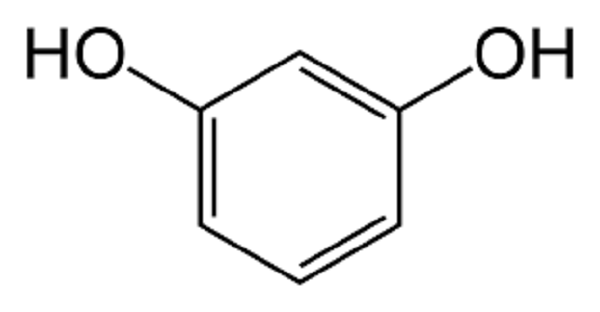
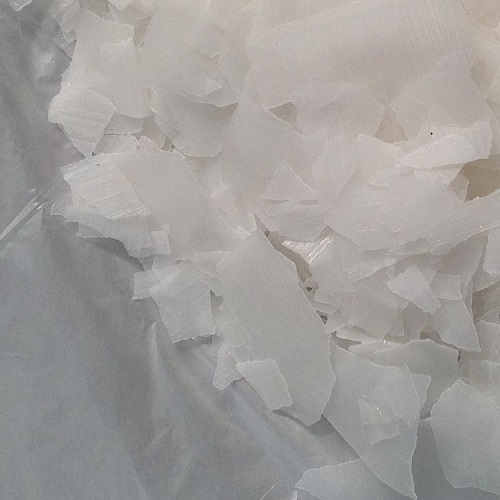
Resorcinol, also known as 1,3-benzenediol, is an organic compound with the chemical formula C₆H₆O₂. It belongs to the phenol family and appears as a white to light pink crystalline solid with a mild odor.
The molecular structure of resorcinol contains two hydroxyl groups attached to a benzene ring, giving it strong reactivity and making it suitable for chemical synthesis and industrial reactions.
Key properties of resorcinol
-
Chemical formula: C6H6O2
-
Molecular weight: 110.11 g/mol
-
Appearance: White or slightly pink crystals
-
Solubility: Highly soluble in water and alcohol
-
Chemical class: Dihydroxybenzene compound
Because of these properties, resorcinol chemical applications range from pharmaceuticals to adhesives and synthetic resins.
Industrial Uses of Resorcinol
Resorcinol plays an essential role in several industrial sectors due to its strong bonding ability and chemical stability.
1. Rubber Industry
One of the most important resorcinol uses in industry is in rubber manufacturing.
Resorcinol is used to produce resorcinol-formaldehyde resin, which helps improve the bonding between rubber and reinforcing materials such as polyester, nylon, and steel cords.
Applications include:
-
Tire manufacturing
-
Conveyor belts
-
Industrial rubber products
-
Automotive components
This bonding system improves durability, heat resistance, and mechanical strength.
2. Adhesives and Wood Bonding
Resorcinol-based adhesives are widely used in structural wood bonding. These adhesives are valued for their high strength and excellent resistance to moisture, heat, and chemicals.
Common applications include:
-
Marine plywood
-
Laminated beams
-
Outdoor wooden structures
-
Aircraft-grade wood bonding
Because of its durability, resorcinol adhesive is considered one of the most reliable waterproof adhesives for wood construction.
3. Chemical Intermediates and Resin Production
Resorcinol serves as a key chemical intermediate in the synthesis of many products.
It is used to produce:
-
Phenolic resins
-
UV absorbers
-
Flame retardants
-
Dyes and pigments
These chemicals are commonly applied in plastics, coatings, textiles, and electronics.
Companies such as Shanghai Shicun supply high-quality resorcinol for chemical synthesis and industrial production.
4. Pharmaceutical and Medical Applications
Resorcinol has long been used in dermatology due to its antiseptic and keratolytic properties.
In medicine, it is commonly used in topical treatments for:
-
Acne
-
Eczema
-
Psoriasis
-
Warts
-
Fungal infections
It works by helping remove dead skin cells and reducing bacterial growth on the skin.
5. Cosmetic and Skincare Products
Another important resorcinol application is in cosmetic and personal care products.
Resorcinol may appear in:
-
Acne treatment creams
-
Chemical peels
-
Hair dyes
-
Anti-dandruff shampoos
In hair dyes, resorcinol acts as a color developer that helps stabilize pigments and produce long-lasting color.
6. UV Stabilizers and Specialty Chemicals
Resorcinol derivatives are widely used in UV absorbers for plastics and coatings. These stabilizers protect materials from ultraviolet radiation, preventing discoloration and degradation.
Applications include:
-
Plastic packaging
-
Automotive coatings
-
Electronic components
-
Outdoor building materials
Because of its ability to absorb UV light, resorcinol helps extend the lifespan of polymer materials.
Benefits of Resorcinol in Industrial Applications
Resorcinol offers several advantages that make it valuable across industries.
Strong Chemical Reactivity
The two hydroxyl groups in resorcinol make it highly reactive, allowing it to participate in many chemical reactions used in resin and polymer production.
Excellent Adhesion Performance
Resorcinol-based resins create strong bonds between different materials, especially in rubber-to-fabric adhesion systems.
Antibacterial and Antiseptic Properties
These properties make resorcinol effective in dermatology and skincare formulations.
High Stability
Resorcinol resins provide excellent heat resistance, chemical stability, and durability, making them suitable for demanding industrial environments.
Many global manufacturers rely on suppliers such as Shanghai Shicun to ensure consistent quality and performance in resorcinol-based chemical products.
Safety and Handling of Resorcinol
Although resorcinol is widely used, proper handling is necessary to ensure safety.
Safety considerations
-
Avoid direct skin contact with concentrated forms
-
Use protective gloves and goggles during industrial handling
-
Store in a cool, dry environment
-
Follow chemical safety guidelines and regulatory standards
When used in controlled concentrations, resorcinol is considered safe in many cosmetic and medical applications.
Conclusion
Resorcinol is a versatile chemical compound with applications in rubber manufacturing, adhesives, pharmaceuticals, cosmetics, and chemical synthesis. Its unique molecular structure allows it to participate in key industrial reactions, making it an essential ingredient in many products.
From improving the strength of rubber tires to helping treat skin conditions and producing high-performance resins, resorcinol continues to play an important role in modern industry. With ongoing demand in manufacturing and chemical processing, this compound remains a valuable component in global supply chains.
Understanding what resorcinol is used for helps manufacturers, researchers, and consumers appreciate its importance in both industrial production and everyday products.
FAQs
What does resorcinol do for your skin?
Resorcinol acts as a keratolytic and antiseptic agent. It helps remove dead skin cells, unclog pores, and reduce bacteria on the skin. Because of these properties, it is commonly used in acne treatments and dermatological products.
Is resorcinol a vitamin A?
No, resorcinol is not a vitamin A derivative. Vitamin A compounds include retinol and retinoids, while resorcinol is a phenolic chemical compound used mainly as an antiseptic and chemical intermediate.
What are the side effects of using resorcinol?
Possible side effects may include:
-
Skin irritation
-
Redness
-
Dryness
-
Peeling
In rare cases, excessive exposure may cause allergic reactions. It is recommended to follow product instructions and consult a healthcare professional if irritation occurs.
Is resorcinol safe for daily use?
Resorcinol can be safe for daily use when used in appropriate concentrations in skincare products. However, prolonged use of high concentrations may irritate the skin. Always follow product guidelines and consult a dermatologist if needed.

CATEGORIES
LATEST NEWS
CONTACT US
Name: Mr.Zhonghua Zhao
Mobile:08618220867196
Tel:08615221391436
Whatsapp:8618220867196
Email:shsc20@xnshsc.com
Add:Room 205, 2 / F, Lane 16299, Puwei Road, Shanyang Town, Jinshan District, Shanghai