Industry-news
What Is Sodium Polyacrylate Used For?
What is Sodium Polyacrylate?
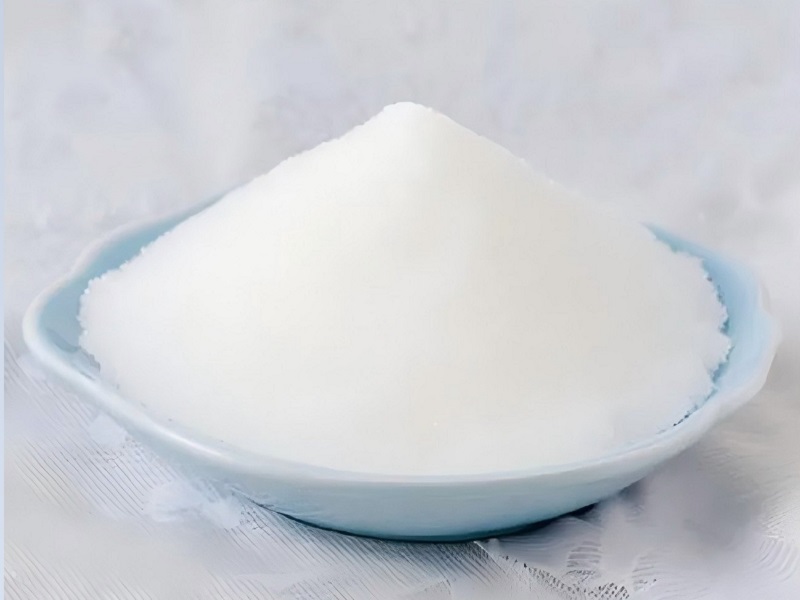
What is sodium polyacrylate used for? Sodium polyacrylate is a synthetic polymer composed of repeating units of acrylic acid and sodium acrylate, forming a cross‑linked network that attracts and traps water molecules. When exposed to water, the polymer swells and forms a stable hydrogel — a transformation key to its utility. Depending on the grade and environmental conditions, it can absorb anywhere from 300 to 800 times — or even more — its own weight in water.
Because of these properties, sodium polyacrylate uses extend widely as a “superabsorbent polymer (SAP)” — a material engineered for moisture control, fluid retention, and gel formation.
Common Uses of Sodium Polyacrylate
Hygiene and Personal Care Products
Sodium polyacrylate uses play a defining role in modern disposable hygiene products. It is the core absorbent in baby diapers, adult incontinence pads, sanitary napkins, and other absorbent garments.
In diapers, a thin layer of sodium polyacrylate absorbs urine quickly, turning the liquid into a gel and trapping it securely. This mechanism helps keep skin dry, reduces leaks, and enhances wearer comfort compared to traditional cellulose‑based padding.
The same gel‑forming and absorbent characteristics also make sodium polyacrylate useful in feminine hygiene products, adult incontinence solutions, and some wound‑dressing or medical‑pad applications.
Agriculture and Horticulture: Soil Moisture Retention
In agriculture and horticulture, sodium polyacrylate uses include helping soils retain moisture, reducing the need for frequent irrigation. When mixed with soil or potting substrate, the polymer particles absorb water from rainfall or watering, then release it slowly to plant roots as needed.
This water‑holding capacity can significantly improve plant survival and growth, especially in arid regions or during dry seasons. In some cases, the adoption of sodium polyacrylate in soil conditioning has helped reduce irrigation frequency and conserve water.
Besides soil conditioning, the polymer is sometimes used in seed coatings to support better germination by providing a buffered moisture environment around seeds.
Industrial and Environmental Uses
Because sodium polyacrylate uses include rapid gel formation, industries utilize it for spill control and containment. In factories, transport, chemical plants or other sites handling liquids, the polymer can be used to solidify water-based spills, making clean‑up safer and more efficient.
In addition, sodium polyacrylate is used in cable manufacturing for moisture blocking. When water infiltrates cable sheathing, the polymer swells to form a water‑blocking gel, protecting electrical or optical wires from moisture damage and preventing potential malfunction or hazards.
Some industrial formulations use sodium polyacrylate as a thickener, dispersant, or stabilizer — for example, in paints, coatings, adhesives, and detergents — thanks to its chemical stability and ability to increase viscosity without altering other properties.
Medical, Waste Management, and Specialized Applications
In medical contexts, sodium polyacrylate uses include creating absorbent pads, wound dressings, and surgical sponges that capture fluids and maintain a controlled moist environment — conducive to healing while containing waste or exudate.
In waste‑management or spill‑containment kits — including chemical spill kits or water‑based waste solidifiers — sodium polyacrylate offers a means to immobilize liquid waste by converting it into a gel, reducing leakage risk and easing disposal.
Because of its versatility, some packaging, transport, and cold‑chain solutions use sodium polyacrylate — for example, in gel ice packs or temperature-control packaging — where its gel‑forming ability helps manage moisture, prevent leaks, and stabilize conditions.
How Sodium Polyacrylate Works: The Science Behind the Uses
At the molecular level, sodium polyacrylate’s network of cross-linked polymer chains includes sodium carboxylate groups. When exposed to water, these hydrophilic groups attract water molecules. Via osmotic pressure and hydrogen bonding, the polymer network swells, trapping water inside a 3D gel matrix.
This swelling is not just volumetric expansion — the gel formed is stable, leak‑proof, and retains water until physical parameters change (drying, heat, salt concentration, etc.).
Because of that, sodium polyacrylate uses include rapid liquid absorption (e.g. diapers), slow moisture release (e.g. soil), and stable gel formation (e.g. spill control, medical pads).

Why Sodium Polyacrylate Is Important Today
-
Water conservation: In agriculture and landscaping, sodium polyacrylate uses help reduce irrigation needs, offering sustainability benefits in water‑scarce regions.
-
Hygiene and comfort: The material enables slim, highly absorbent diapers and sanitary products — vastly more effective than older cellulose‑based alternatives.
-
Industrial safety and efficiency: Its capacity to immobilize water and convert spills into gel simplifies cleanup, reduces contamination risk, and may lower disposal costs.
-
Medical and environmental waste management: It supports absorbent wound care, medical waste solidification, and safer handling of liquid waste.
Because of these advantages, manufacturers — such as Shanghai Shicun Industrial Co., Ltd. — continue to supply high‑quality sodium polyacrylate to meet growing demands across hygiene, agriculture, industry, and environmental sectors.
Considerations and Best Practices
While sodium polyacrylate uses are highly useful, proper handling ensures safety and effectiveness:
-
Use appropriate dosage: For soil conditioning, typical addition ranges around 1–2% by weight of soil medium.
-
Store in a dry, sealed container to prevent premature moisture uptake, which could degrade absorption performance.
-
Choose correct polymer grade (powder, granules, gel) depending on application: fine powder for rapid absorption (e.g. spills, diapers), larger granules or soil‑grade for slow water release in agriculture.
-
For environmental applications, consider possible long‑term effects: since many standard forms are not readily biodegradable, repeated soil use may raise concerns over microplastic accumulation.
Conclusion
Sodium polyacrylate uses span a wide spectrum — from everyday consumer hygiene and agriculture to industrial, medical, and environmental applications. Its extraordinary water‑absorption and retention abilities make it a versatile, effective solution for moisture control and fluid management.
For businesses or users seeking reliable sodium polyacrylate supply, Shanghai Shicun Industrial Co., Ltd. sources high‑quality polymer meeting industrial and hygiene‑grade standards. Whether you are manufacturing diapers, improving soil moisture retention, or designing spill‑containment systems, what is sodium polyacrylate used for? The answer is clear: it is one of the most powerful tools in moisture management and absorption technology.
RELATED NEWS
CATEGORIES
LATEST NEWS
CONTACT US
Name: Mr.Zhonghua Zhao
Mobile:08618220867196
Tel:08615221391436
Whatsapp:8618220867196
Email:shsc20@xnshsc.com
Add:Room 205, 2 / F, Lane 16299, Puwei Road, Shanyang Town, Jinshan District, Shanghai