News
What is L-Lysine Hydrochloride Used For?
L-Lysine hydrochloride, often referred to as L-lysine HCl, is a widely used amino acid supplement that plays a critical role in human health and nutrition. As one of the essential amino acids, lysine cannot be synthesized by the body and must be obtained through diet or supplementation. This compound has gained significant attention for its potential health benefits, from supporting immune function to promoting skin health and enhancing athletic performance. Trusted manufacturers like Shanghai Shicun ensure high-quality, food-grade L-lysine hydrochloride for both commercial and personal use.
In this article, we explore the primary uses of L-Lysine hydrochloride, its benefits, differences from other forms of lysine, and safety considerations. We will also address common questions about daily intake, skincare applications, and potential side effects.
What is L-Lysine Hydrochloride?
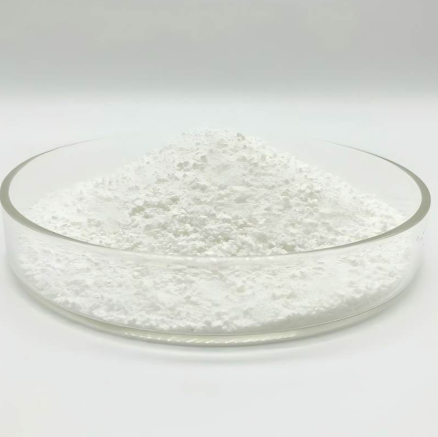
L-Lysine hydrochloride is a stable, water-soluble form of the amino acid L-lysine. Its chemical formula is C6H15ClN2O2, and it is commonly available as a white crystalline powder. This form is preferred in both dietary supplements and the feed industry because it is highly bioavailable and easy to incorporate into foods, beverages, and animal nutrition products.
As an essential amino acid, L-lysine is vital for protein synthesis, collagen formation, and calcium absorption. Its hydrochloride variant enhances solubility and ensures accurate dosage in supplements and fortified foods.
Key Uses of L-Lysine Hydrochloride
1. Dietary Supplements
L-Lysine hydrochloride is widely used in dietary supplements to support overall health. It is especially beneficial for individuals who may not get enough lysine through their daily diet, such as vegetarians or those with restricted protein intake. Supplements containing L-lysine HCl can help maintain healthy amino acid levels, boost energy, and support muscle growth.
2. Skin Health and Collagen Production
Collagen is a structural protein essential for skin elasticity, wound healing, and connective tissue strength. L-Lysine hydrochloride contributes directly to collagen synthesis, making it a popular ingredient in skin health supplements. Regular intake may improve skin resilience, reduce signs of aging, and support the healing of minor wounds or abrasions.
3. Cold Sore and Herpes Management
One of the most recognized uses of L-Lysine HCl is for managing cold sores caused by the herpes simplex virus (HSV-1). L-lysine helps inhibit viral replication, potentially reducing the severity, duration, and frequency of outbreaks. Many studies suggest that taking L-lysine hydrochloride supplements regularly may help prevent recurrent herpes flare-ups.
4. Animal Nutrition
Beyond human consumption, L-Lysine hydrochloride is an essential additive in the animal feed industry. It supports optimal growth in livestock and poultry, improves feed efficiency, and enhances overall health. High-quality L-lysine HCl from manufacturers like Shanghai Shicun ensures consistency, purity, and compliance with feed safety standards.
5. Athletic Performance and Muscle Recovery
Athletes often incorporate L-Lysine hydrochloride into their nutrition plans to support muscle protein synthesis and recovery after exercise. Adequate lysine intake may improve endurance, reduce muscle fatigue, and aid in repairing microtears in muscle tissue caused by intense workouts.
Benefits of L-Lysine Hydrochloride
-
Supports immune function: L-lysine helps produce antibodies and supports the body's defense mechanisms against infections.
-
Promotes bone health: By aiding calcium absorption, lysine contributes to stronger bones and may reduce the risk of osteoporosis.
-
Enhances mental health: Some studies suggest lysine may help reduce anxiety and support cognitive function.
-
Boosts collagen formation: Essential for skin, hair, nails, and connective tissue health.
-
Reduces viral activity: Especially beneficial in controlling HSV-1 and managing cold sores.
How to Use L-Lysine Hydrochloride
L-Lysine HCl is typically available in capsules, tablets, powders, and fortified foods. Recommended daily dosages may vary depending on individual needs, health conditions, and the form of lysine used. Most adults take between 500 mg to 3000 mg per day under professional guidance. For animals, dosage is adjusted based on species, age, and feed composition.
Safety and Precautions
L-Lysine hydrochloride is generally safe when taken in recommended amounts. Side effects are rare but can include mild gastrointestinal discomfort or nausea. Individuals with kidney disease or other pre-existing conditions should consult a healthcare professional before supplementing with L-lysine HCl.
Conclusion
L-Lysine hydrochloride is a versatile, essential amino acid with a wide range of applications in health, skincare, animal nutrition, and athletic performance. From supporting collagen formation to managing viral infections, its benefits are well-documented. High-quality, food-grade L-lysine hydrochloride from reliable suppliers like Shanghai Shicun ensures safety, efficacy, and consistent results. Incorporating this essential amino acid into your diet or supplement regimen can provide long-term benefits for overall health and well-being.
FAQs
What are the benefits of taking L-lysine daily?
Daily L-lysine supplementation can help maintain optimal amino acid balance, promote protein synthesis, and support muscle growth. Regular intake may also enhance immune system function, improve calcium absorption for stronger bones, and aid in collagen production, benefiting skin, hair, and nails. For individuals prone to cold sores, daily lysine may reduce the frequency and severity of outbreaks.
What does lysine hydrochloride do for skin?
Lysine hydrochloride supports the production of collagen, which is crucial for skin elasticity and firmness. It can aid in wound healing, minimize the appearance of fine lines, and maintain healthy connective tissue. By promoting skin regeneration and overall resilience, L-lysine HCl is often included in skincare supplements and beauty-focused nutritional products.
What is the difference between L-lysine and L-lysine HCl?
L-Lysine refers to the amino acid itself, while L-lysine HCl is the hydrochloride salt form. The HCl form enhances solubility, stability, and ease of incorporation into supplements and fortified foods. Both forms provide the same essential amino acid benefits, but the hydrochloride variant is preferred for precise dosing and improved bioavailability.
L-lysine hydrochloride side effects
L-Lysine hydrochloride is generally well-tolerated. Mild side effects may include stomach upset, diarrhea, or nausea when taken in high doses. Long-term or excessive supplementation could impact kidney function in individuals with pre-existing kidney conditions, so it is recommended to consult a healthcare professional before starting daily lysine supplementation.

CATEGORIES
LATEST NEWS
CONTACT US
Name: Mr.Zhonghua Zhao
Mobile:08618220867196
Tel:08615221391436
Whatsapp:8618220867196
Email:shsc20@xnshsc.com
Add:Room 205, 2 / F, Lane 16299, Puwei Road, Shanyang Town, Jinshan District, Shanghai