Industry-news
Is Sodium Polyacrylate Biodegradable?
Sodium polyacrylate has become a common material in everyday products, from diapers to agricultural applications. Its superabsorbent properties allow it to retain large amounts of water, making it highly versatile. However, with growing environmental concerns, many people ask: is sodium polyacrylate biodegradable? Understanding its environmental impact, biodegradability, and disposal options is crucial for both consumers and industries.
What is Sodium Polyacrylate?
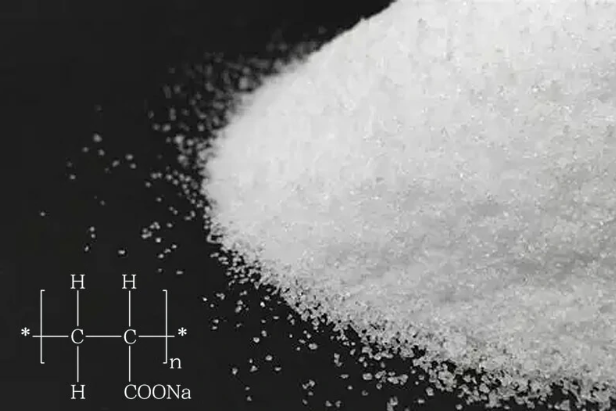
Sodium polyacrylate is a synthetic polymer known for its superabsorbent properties. Chemically, it is a cross-linked polyacrylic acid salt that can absorb hundreds of times its weight in water. This unique feature makes it ideal for:
-
Baby diapers and adult incontinence products
-
Agricultural soil conditioners
-
Industrial spill control and water retention
-
Packaging materials
Despite its practical applications, sodium polyacrylate is synthetic, raising questions about its biodegradability and long-term environmental impact.
Is Sodium Polyacrylate Biodegradable?
The short answer is: no, sodium polyacrylate is not easily biodegradable.
-
Sodium polyacrylate is resistant to natural decomposition processes because it is a highly stable synthetic polymer.
-
Environmental factors like sunlight, water, and microbes have minimal effect on breaking down this compound.
-
While some studies show that certain modified polyacrylates can degrade under specific microbial conditions, these processes are slow and not common in natural environments.
In essence, products containing sodium polyacrylate can persist in landfills and soil for years if not properly managed.
Environmental Impact of Sodium Polyacrylate
While sodium polyacrylate itself is generally considered non-toxic, its long-term presence in the environment poses concerns:
-
Soil Accumulation: Large-scale use in agriculture or gardening can lead to polymer build-up in soil.
-
Waste Management Challenges: Discarded diapers and hygiene products contribute to landfill waste.
-
Microplastic Formation: Over time, mechanical breakdown can create microplastic fragments, which may enter waterways.
Shanghai Shicun Industrial Co., Ltd. emphasizes that proper recycling and disposal are essential to reduce the environmental footprint of this superabsorbent polymer.
Alternatives and Biodegradable Options
Given the limited biodegradability of sodium polyacrylate, several eco-friendly alternatives have emerged:
-
Starch-based polymers: Biodegradable and water-absorbent.
-
Cellulose-based materials: Naturally derived, suitable for diapers and packaging.
-
Polyacrylate blends with biodegradable additives: Designed to improve decomposition in soil.
Using these alternatives in combination with proper waste management can help mitigate the environmental impact.
How to Dispose of Sodium Polyacrylate Products
Proper disposal can significantly reduce environmental risks:
-
Avoid flushing or washing large amounts down drains.
-
Dispose of hygiene products in standard trash bins for landfill management.
-
Explore recycling programs for superabsorbent materials where available.
-
In agriculture, avoid overuse and integrate composting techniques when possible.
These steps ensure sodium polyacrylate use remains responsible without harming ecosystems.
FAQs About Sodium Polyacrylate Biodegradability
Q1: Can sodium polyacrylate degrade naturally over time?
A: Sodium polyacrylate is highly stable and does not degrade quickly in natural environments. Its decomposition is extremely slow without specialized conditions.
Q2: Is sodium polyacrylate harmful to humans or animals?
A: It is generally non-toxic. However, ingestion in large amounts or inhalation of fine powder should be avoided.
Q3: Are there biodegradable versions of sodium polyacrylate?
A: Yes, some modified polymers are designed to be partially biodegradable, but these are not yet widely used in consumer products.
Q4: How can industries reduce the environmental impact of sodium polyacrylate?
A: By adopting eco-friendly alternatives, responsible waste management, and promoting recycling initiatives, companies can mitigate its environmental footprint.
Conclusion
While sodium polyacrylate is not biodegradable, it remains an indispensable material in hygiene, agriculture, and industrial applications. Awareness of its environmental impact, responsible disposal, and adoption of biodegradable alternatives are key steps toward sustainability. Companies like Shanghai Shicun Industrial Co., Ltd. continue to explore innovative solutions for safer and eco-friendlier applications of superabsorbent polymers.
CATEGORIES
LATEST NEWS
CONTACT US
Name: Mr.Zhonghua Zhao
Mobile:08618220867196
Tel:08615221391436
Whatsapp:8618220867196
Email:shsc20@xnshsc.com
Add:Room 205, 2 / F, Lane 16299, Puwei Road, Shanyang Town, Jinshan District, Shanghai