Industry-news
What Is Sodium Polyacrylate? The Ultimate Guide
What is Sodium Polyacrylate? It is a synthetic polymer renowned for its extraordinary ability to absorb and retain hundreds of times its weight in water, transforming into a gel. This key property makes it the critical component in a vast array of products, from everyday items like disposable diapers to industrial applications in agriculture and cable manufacturing. As a leading supplier of specialty chemicals, Shanghai Shicun Industrial Co., Ltd. provides high-purity sodium polyacrylate for diverse global industries, underpinning innovation and performance in final products.
Sodium Polyacrylate: The Core Definition
What is Sodium Polyacrylate in Simple Terms?
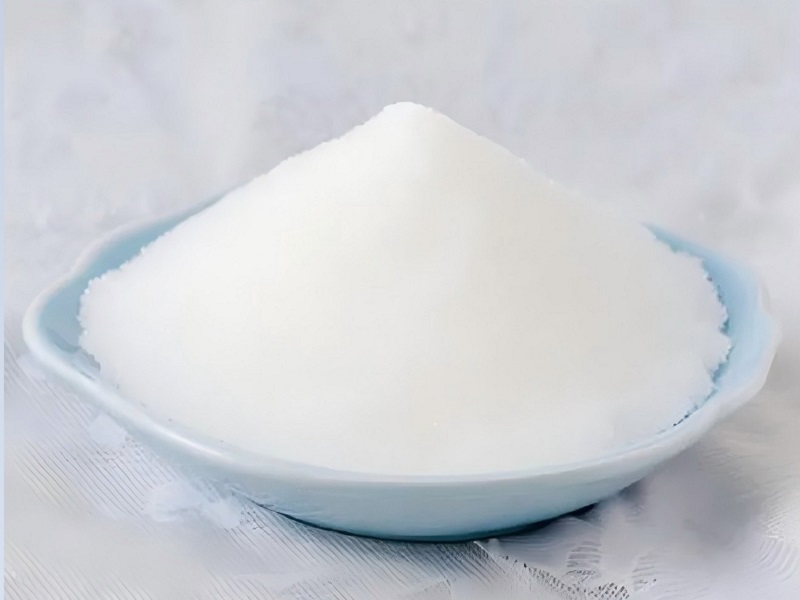
In simple terms, sodium polyacrylate is a sodium salt of polyacrylic acid, often called a superabsorbent polymer (SAP). Imagine a long chain of molecules with a powerful attraction to water. When dry, it's a white, granular powder. Upon contact with water, it acts like a molecular sponge, rapidly absorbing the liquid and locking it into a solid gel through a process of physical entrapment and mild ionic bonding. This gel is remarkably stable, preventing water from being easily released under pressure.
Key Chemical Properties and Structure
The secret to its function lies in its chemical architecture. The polymer chain contains numerous carboxylate groups (-COO⁻Na⁺). When water is introduced, the sodium ions dissociate, creating a high osmotic pressure that drives water into the polymer network. The chains then expand and entangle, forming a gel matrix that physically traps the water molecules. This structure grants it a typical absorption capacity of 300-500 times its own weight in distilled water, though this varies with water purity and the specific polymer grade.
How Does Sodium Polyacrylate Work? The Science of Absorption
The Water Absorption Mechanism Explained
The absorption is not merely capillary action; it's a complex physicochemical process. First, water diffuses into the polymer particles. Then, the anionic (negatively charged) carboxylate groups on the polymer chains repel each other, forcing the network to expand dramatically. Finally, the water molecules become tightly hydrogen-bonded within this expanded network. This process is largely irreversible under normal conditions, making the gel highly stable.
Just How Much Water Can It Hold?
The absorption capacity is staggering. High-quality grades, such as those supplied by Shanghai Shicun Industrial Co., Ltd., can absorb 500-800 times their mass in pure water. In electrolyte solutions like urine or saline, capacity reduces to a still-impressive 50-60 times, which is precisely engineered for hygiene product performance. To visualize, a single gram of SAP can absorb approximately half a liter of liquid, explaining why a modern diaper is so thin yet so effective.
Major Uses and Applications of Sodium Polyacrylate
In Consumer Products: From Diapers to Gardening
The most ubiquitous application is in disposable hygiene products. Approximately 90% of the world's superabsorbent polymer production is used in baby diapers, adult incontinence pads, and feminine hygiene products, where it provides leak-proof comfort and dryness. Beyond personal care, it's a popular "water crystal" gel for gardening and floral arrangements, helping soil retain moisture. It's also the active ingredient in popular "instant snow" powders used for decorative and educational purposes.
In Industrial and Niche Applications
Industrially, sodium polyacrylate is a versatile performer. In agriculture, it's used as a soil conditioner to reduce water stress in arid regions, improving crop yield. The telecommunications and power cable industries rely on it as a water-blocking tape to prevent moisture ingress along fiber optic and electrical cables. Furthermore, it serves as a thickening agent, dispersant, and retention aid in industries ranging from cosmetics and paints to wastewater treatment and paper manufacturing.
Safety, Myths, and Environmental Impact
Is Sodium Polyacrylate Safe in Diapers and Cosmetics?
Extensive toxicological studies and regulatory reviews confirm that sodium polyacrylate is non-toxic, non-irritating, and safe for use in regulated consumer products. In diapers and cosmetics, it is used in a fully polymerized, cross-linked form that is not absorbed by the skin. Authorities like the U.S. FDA and the European SCCS have approved its use. The minor skin irritations sometimes associated with diapers are typically due to moisture or friction, not the SAP itself. Reputable suppliers like Shanghai Shicun Industrial Co., Ltd. ensure their products meet stringent international safety and purity standards for these sensitive applications.
Disposal and Environmental Concerns
The primary environmental concern is its non-biodegradability in landfills. While stable and inert, this persistence drives industry innovation. Research into biodegradable SAPs based on polysaccharides (e.g., starch) is ongoing. For now, proper disposal is key. In hygiene products, modern waste-to-energy incineration is a common disposal route. In agriculture, the focus is on its long-term soil benefits versus persistence. Responsible sourcing from manufacturers committed to environmental stewardship is crucial for minimizing footprint.
Comparisons and Alternatives
Sodium Polyacrylate vs. Other Superabsorbent Polymers
While sodium polyacrylate is the most common SAP, variations exist. Polyacrylate copolymers, for instance, may incorporate other monomers to enhance performance in specific electrolytes or under pressure. Another relative, potassium polyacrylate, is often preferred in agriculture due to its potassium ion release benefit for plants. The choice depends on the required absorption speed, gel strength, ionic sensitivity, and cost-effectiveness for the end application.
Natural Alternatives to Synthetic SAPs
For markets demanding bio-based solutions, alternatives like cross-linked carboxymethyl cellulose (CMC), starch-grafted polymers, and alginate-based gels are emerging. While their absorption capacity is generally lower than synthetic SAPs and their cost higher, they offer improved biodegradability profiles. The development of these alternatives represents a growing niche, particularly in organic agriculture and premium eco-friendly hygiene products.

Frequently Asked Questions (FAQ)
Q: How is sodium polyacrylate made?
A: It is produced through the polymerization of acrylic acid and its sodium salt, followed by a cross-linking process. This creates the three-dimensional network essential for its gel-forming properties.
Q: Can it be reused or reactivated?
A: No, conventional cross-linked sodium polyacrylate cannot be easily reactivated. The absorption process is largely irreversible; drying the gel will shrink it but not restore its original high-absorption capacity, as the polymer structure has permanently expanded.
Q: What happens if ingested or contacted with skin?
A: In its polymerized form, it is non-toxic. If ingested in small amounts (e.g., from a toy), it should pass through the digestive system without issue, but medical advice should be sought. On skin, it may cause temporary dryness; simply wash with water. Always consult safety data sheets for specific product handling.
Q: What are the latest research trends?
A: Current research focuses on improving performance in saline environments, developing fully biodegradable SAPs from renewable resources, and creating "smart" polymers that respond to stimuli like pH or temperature for controlled drug delivery or water management.
CATEGORIES
LATEST NEWS
CONTACT US
Name: Mr.Zhonghua Zhao
Mobile:08618220867196
Tel:08615221391436
Whatsapp:8618220867196
Email:shsc20@xnshsc.com
Add:Room 205, 2 / F, Lane 16299, Puwei Road, Shanyang Town, Jinshan District, Shanghai