Industry-news
What Is Thermal Conductive Silicone and How Is It Used
In today’s technology-driven world, efficient heat dissipation is critical for the performance and longevity of electronic devices and industrial machinery. One material that has become essential in thermal management is thermal conductive silicone. Known for its excellent heat transfer properties, flexibility, and durability, thermal conductive silicone is widely used across electronics, automotive, and industrial sectors. This article explores what thermal conductive silicone is, how it works, and the various applications that make it indispensable.
What Is Thermal Conductive Silicone?
Thermal conductive silicone, also known as thermally conductive silicone rubber, is a silicone-based material formulated with special fillers that enhance its ability to transfer heat. Unlike standard silicone, which primarily acts as an insulator, thermal conductive silicone is designed to efficiently conduct heat from one surface to another.
Key properties include:
-
High thermal conductivity: Transfers heat efficiently to prevent overheating.
-
Electrical insulation: Many formulations provide electrical insulation while conducting heat.
-
Flexibility and resilience: Maintains shape and performance under temperature fluctuations.
-
Durability: Resistant to aging, moisture, and chemicals.
These properties make thermal conductive silicone ideal for applications where managing heat is crucial for safety and device performance.
How Thermal Conductive Silicone Works
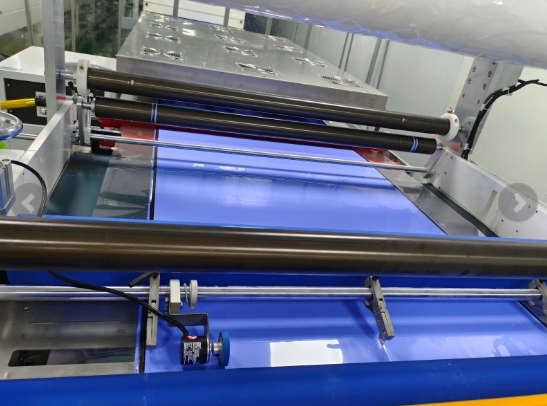
Thermal conductive silicone contains fillers such as aluminum oxide, boron nitride, or zinc oxide. These fillers create pathways for heat to move through the silicone material efficiently. When applied between a heat-generating component and a heat sink, thermal conductive silicone ensures that heat is transferred away from sensitive parts, reducing the risk of overheating and improving overall device reliability.
Applications of Thermal Conductive Silicone
1. Electronics and Semiconductors
Thermal conductive silicone is widely used in electronic devices such as CPUs, GPUs, LEDs, and power modules. It helps to dissipate heat generated by these components, ensuring stable operation and prolonging their lifespan.
2. Automotive Industry
In modern vehicles, thermal conductive silicone is used in battery packs, power inverters, and LED lighting systems. Its ability to handle high temperatures while remaining flexible makes it perfect for automotive applications.
3. Industrial Machinery
Heavy machinery and industrial equipment often generate significant heat during operation. Thermal conductive silicone pads or sheets are applied to reduce heat buildup, protecting sensitive parts and maintaining performance.
4. Consumer Electronics
From smartphones to gaming consoles, thermal conductive silicone is used in compact devices where efficient heat management is critical. It allows devices to run cooler and more reliably.
5. Medical Equipment
Medical devices often require precise temperature control. Thermal conductive silicone helps manage heat in diagnostic equipment, imaging machines, and wearable devices without compromising safety.
Types of Thermal Conductive Silicone
-
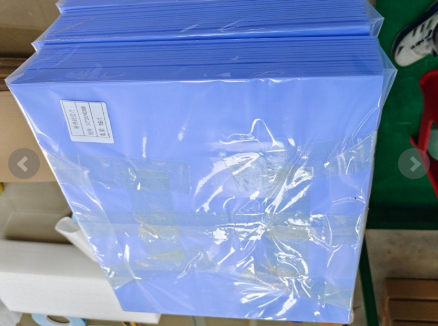
Silicone Pads – Soft, pre-formed sheets or pads used between heat-generating components and heat sinks.
-
Silicone Grease/Paste – Applied as a thin layer to fill microscopic gaps and enhance thermal contact.
-
Liquid Silicone Rubber (LSR) – Used in molded parts or custom shapes requiring thermal management.
-
Adhesive Silicone – Combines thermal conductivity with bonding capabilities for assembly purposes.
Benefits of Using Thermal Conductive Silicone
-
Efficient heat dissipation
-
Electrical insulation where needed
-
Flexibility for irregular surfaces
-
Long-term stability under high temperatures
-
Resistant to moisture, chemicals, and aging
Companies like Shanghai Shicun Industrial Co., Ltd. provide premium thermal conductive silicone solutions, ensuring reliable thermal management across a wide range of industries.
FAQs
Q1: Can thermal conductive silicone conduct electricity?
A: Most thermal conductive silicone formulations are electrically insulating, although there are special conductive types available.
Q2: How is thermal conductive silicone applied in electronics?
A: It can be applied as pads, sheets, or paste between components and heat sinks to enhance heat transfer.
Q3: What is the difference between thermal paste and thermal silicone pads?
A: Thermal paste fills microscopic gaps for maximum contact, while silicone pads provide thicker, durable layers that are easier to handle.
Q4: Is thermal conductive silicone reusable?
A: Some silicone pads can be reused if removed carefully, but thermal paste typically requires fresh application after removal.
Q5: What industries benefit most from thermal conductive silicone?
A: Electronics, automotive, industrial machinery, consumer electronics, and medical devices are the primary beneficiaries.
Conclusion
Thermal conductive silicone is a versatile, reliable material essential for modern thermal management needs. Whether in electronics, automotive applications, or industrial machinery, it ensures efficient heat dissipation, improves device longevity, and enhances performance. Choosing high-quality products from trusted suppliers like Shanghai Shicun Industrial Co., Ltd. guarantees optimal results and long-term reliability.
CATEGORIES
LATEST NEWS
CONTACT US
Name: Mr.Zhonghua Zhao
Mobile:08618220867196
Tel:08615221391436
Whatsapp:8618220867196
Email:shsc20@xnshsc.com
Add:Room 205, 2 / F, Lane 16299, Puwei Road, Shanyang Town, Jinshan District, Shanghai