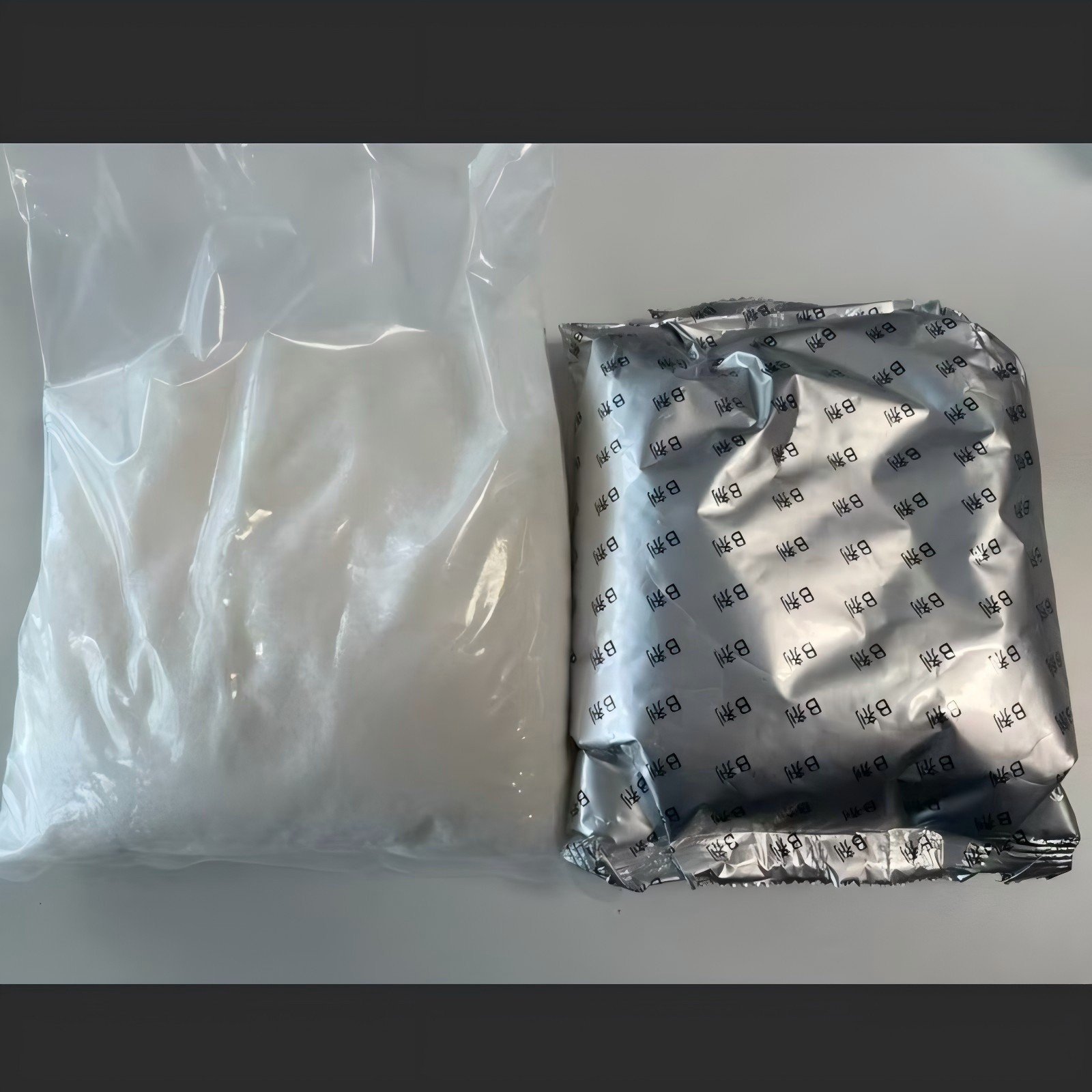
Chlorine dioxide powder
- Category: Inorganic Chemicals
Chlorine dioxide
Chemical formula: ClO2
Molecular weight: 67.452
CAS:10049-04-4
EINECS:233-162-8
Chlorine dioxide is an inorganic compound with the molecular formula ClO ₂, composed of one chlorine atom and two oxygen atoms. The molecule of ClO ₂ is V-shaped and has polarity. Its electronic structure shows unpaired electrons, making it highly oxidative and reactive. Under standard conditions, the gas density is 3.09 g/L (heavier than air). It is a yellow green gas with a pungent odor similar to chlorine gas above 11 ° C , a reddish brown liquid between -59 ° C and 11 ° C, and an orange solid at lower temperatures.
Chlorine dioxide is widely used for disinfection and virus killing. In water treatment, it is used for sterilization and deodorization of drinking water, industrial water, and wastewater, effectively removing organic matter, iron and manganese ions, and algae from water. In food disinfection, it is used for sterilization and preservation during food processing, and is suitable for disinfecting fruits, vegetables, meat, and beverages. In healthcare, it is used as a surface disinfectant in hospitals, laboratories, and other places. Used as a bleaching agent in industries such as papermaking and textiles to reduce environmental pollution.
As a powerful oxidizing agent within the category of inorganic chemicals, chlorine dioxide powderhas become an essential solution for industries that demand reliable, residue-controlled, and broad-spectrum microbial control. Compared with traditional chlorine-based disinfectants, chlorine dioxide powder provides more stable release, higher oxidation selectivity, and reduced formation of harmful chlorinated by-products when used correctly.
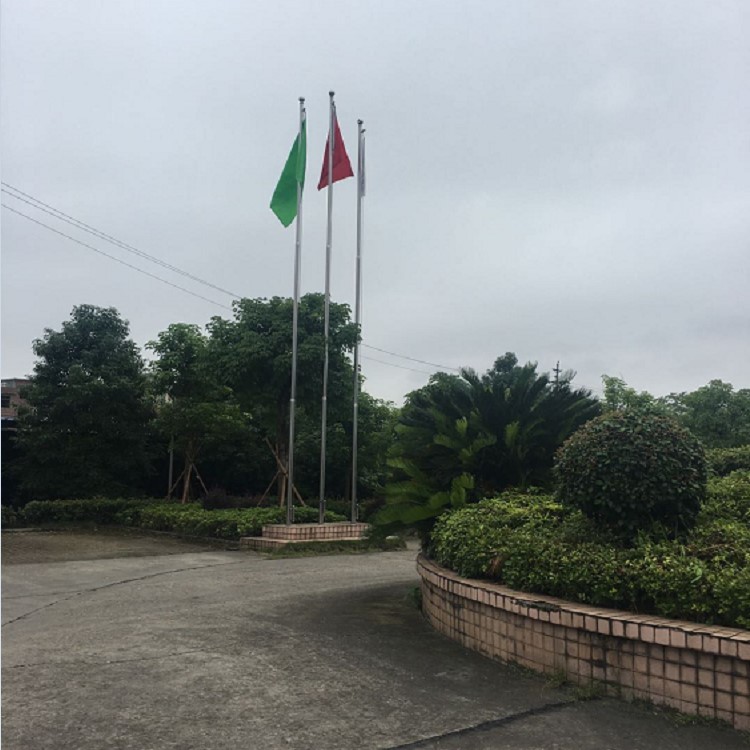
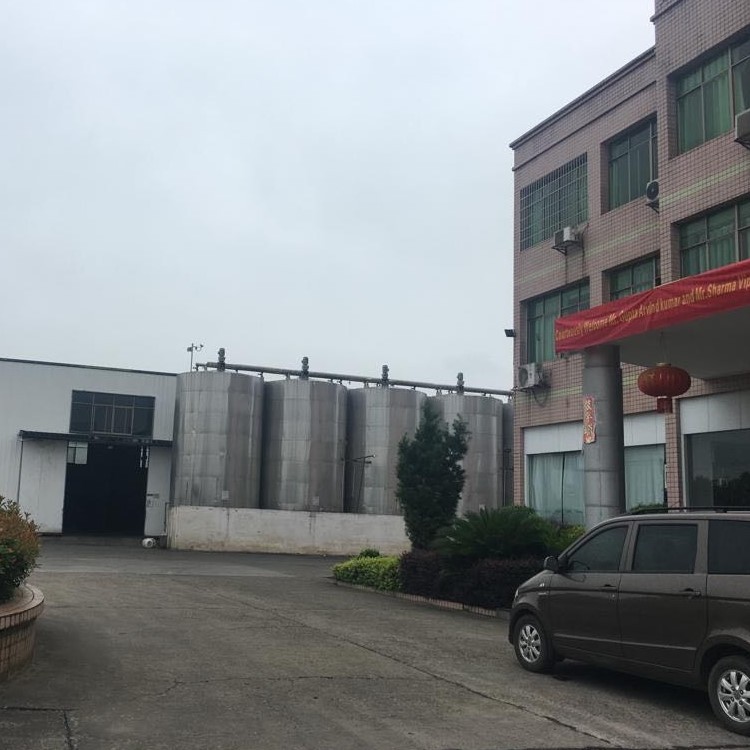
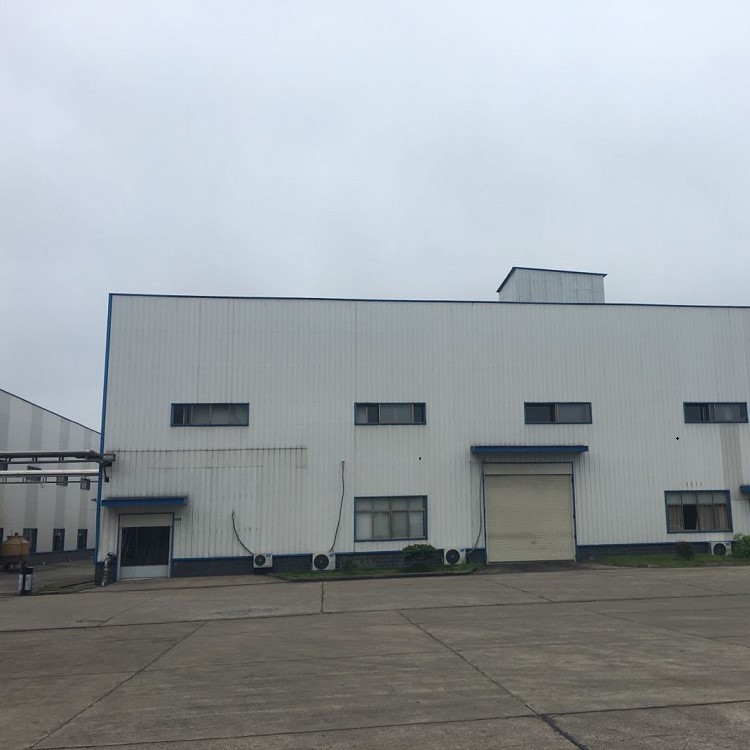
Manufactured under strict quality standards, chlorine dioxide powder from Shanghai Shicun is designed for controlled generation, easy storage, and convenient transportation, making it suitable for large-scale industrial systems as well as smaller on-site treatment operations.
Key Advantages of Chlorine Dioxide Powder
1. Broad-Spectrum Antimicrobial Performance
Chlorine dioxide powder is effective against:
-
Bacteria and bacterial spores
-
Viruses
-
Fungi and mold
-
Biofilm-forming microorganisms
Its strong oxidation capability disrupts cell membranes and protein synthesis, allowing rapid microbial inactivation even at low concentrations.
2. Superior Odor and Taste Control
Unlike conventional chlorine, chlorine dioxide does not chlorinate organic compounds in the same way. This reduces the formation of trihalomethanes (THMs) and helps eliminate unpleasant tastes and odors caused by sulfides, phenols, and algae.
3. Effective Iron and Manganese Removal
Chlorine dioxide powder oxidizes dissolved iron (Fe²⁺) and manganese (Mn²⁺) into insoluble forms, allowing efficient filtration in municipal and industrial water systems.
4. Strong Biofilm Penetration
Biofilms in pipelines, cooling towers, and water storage systems are difficult to remove with ordinary disinfectants. Chlorine dioxide penetrates biofilm layers and oxidizes microbial colonies at the source.
5. Stable Storage & On-Site Activation
Chlorine dioxide powder formulations are typically designed for on-site generation, improving safety during transport and reducing risks associated with handling gaseous chlorine dioxide.
Why Choose Chlorine Dioxide Powder Over Traditional Chlorine?
| Feature | Chlorine Dioxide Powder | Chlorine |
|---|---|---|
| Oxidation selectivity | High | Moderate |
| THM formation | Very low | Higher |
| Effectiveness against biofilm | Strong | Limited |
| Odor control | Excellent | Moderate |
| Effective pH range | Wide (5–10) | Narrower |
Because chlorine dioxide works efficiently across a broader pH range and produces fewer chlorinated by-products, it is increasingly preferred in regulated environments such as drinking water systems and food production facilities.
Handling & Storage Guidelines
-
Store in a cool, dry, well-ventilated area
-
Keep away from strong acids and reducing agents
-
Avoid direct sunlight and moisture exposure
-
Use protective gloves and goggles during handling
-
Follow local environmental and safety regulations
Proper handling ensures stable performance and safe application across different industries.
If you are sourcing reliable chlorine dioxide powder for water treatment, sanitation, or industrial oxidation processes, optimizing formulation purity and activation stability is essential for long-term performance and regulatory compliance.

FAQs
1. What is chlorine dioxide powder used for?
Chlorine dioxide powder is mainly used for water disinfection, wastewater treatment, food processing sanitation, odor removal, biofilm control, and surface sterilization. It is also widely applied in mold remediation and industrial cooling systems due to its strong oxidation ability.
2. Is chlorine powder harmful?
Chlorine-based powders can be harmful if misused or inhaled in high concentrations. Proper dilution, protective equipment, and compliance with safety guidelines are essential. When applied according to recommended standards, chlorine dioxide powder is considered safe and highly effective for industrial and municipal applications.
3. Is chlorine dioxide better than ozone for mold?
Both chlorine dioxide and ozone are strong oxidants. However, chlorine dioxide is often preferred for mold remediation because it penetrates porous materials more effectively and leaves longer-lasting antimicrobial action. It is also easier to control in enclosed environments.
4. Is chlorine dioxide safe in drinking water?
Yes, when used within regulated limits set by international authorities, chlorine dioxide is safe for drinking water treatment. It is approved in many countries for municipal water disinfection because it effectively eliminates pathogens while minimizing harmful disinfection by-products.
INQUIRY
RELATED PRODUCTS
CATEGORIES
LATEST NEWS
CONTACT US
Name: Mr.Zhonghua Zhao
Mobile:08618220867196
Tel:08615221391436
Whatsapp:8618220867196
Email:shsc20@xnshsc.com
Add:Room 205, 2 / F, Lane 16299, Puwei Road, Shanyang Town, Jinshan District, Shanghai