TADE Tetraacetylethylenediamine
- Category: Organic Compounds
Its main use is as a peroxide activator, especially in the bleaching system composed of sodium perborate in the washing industry, which can improve the bleaching efficiency and disinfection function in low-temperature water. It is widely used in oxygen-containing bleaching detergents. In the field of textile printing and dyeing, TAED combined with hydrogen peroxide forms a low-temperature bleaching system that can operate under near neutral conditions, reducing fiber damage and energy consumption. This substance is usually prepared from ethylenediamine by amidation reaction.
Washing industry
As a peroxide activator, it enhances the washing efficacy, disinfection, and sterilization functions of peroxides in low-temperature water.
Bleach is an important auxiliary agent in detergents, mainly divided into two categories: oxygen-containing bleach and chlorine containing bleach. Among numerous washing products, bleaching detergents have been favored by people since their debut in the 1970s due to their high whitening, brightening, disinfecting, sterilizing, and descaling abilities on fabrics. More than 90% of detergents in the European market contain oxygen bleach, and the sales volume of this oxygen bleach detergent in the US market is also increasing at an annual growth rate of 20% to 25%.
Among bleaching agents, oxygen-containing bleaching agents, especially peroxide bleaching agents, have more promising development prospects than traditional chlorine containing bleaching agents. Due to its non-toxic nature, chlorine free odor, suitability for all fibers and colored fabrics, and good compatibility with various surfactants and enzymes, oxygen-containing bleaching agents are widely welcomed by consumers. The most commonly used oxygen-containing bleaching agent is sodium perborate (SPB), accounting for approximately 75% of the total usage. Due to its high stability, sodium perborate can only effectively exert its bleaching effect when it releases primary oxygen at temperatures above 70qC, and a large amount of synthetic fibers and woolen fabrics cannot adapt to such temperatures. This requires the development of activators that can promote its bleaching effect at low temperatures.
Tetraacetylethylenediamine (TAED) is a bleaching activator that can meet this requirement. It has superior low-temperature bleaching performance, good environmental performance, and suitable price. The TAED/sodium perborate system has become the standard bleaching activator system in Europe. 75% to 80% of the bleaching detergents used in Europe use the TAED/sodium perborate system. Research has shown that in detergent formulations, when the content of tetraacetylethylenediamine reaches 1.5% to 5.0%, sodium perborate can exert its bleaching effect at room temperature.
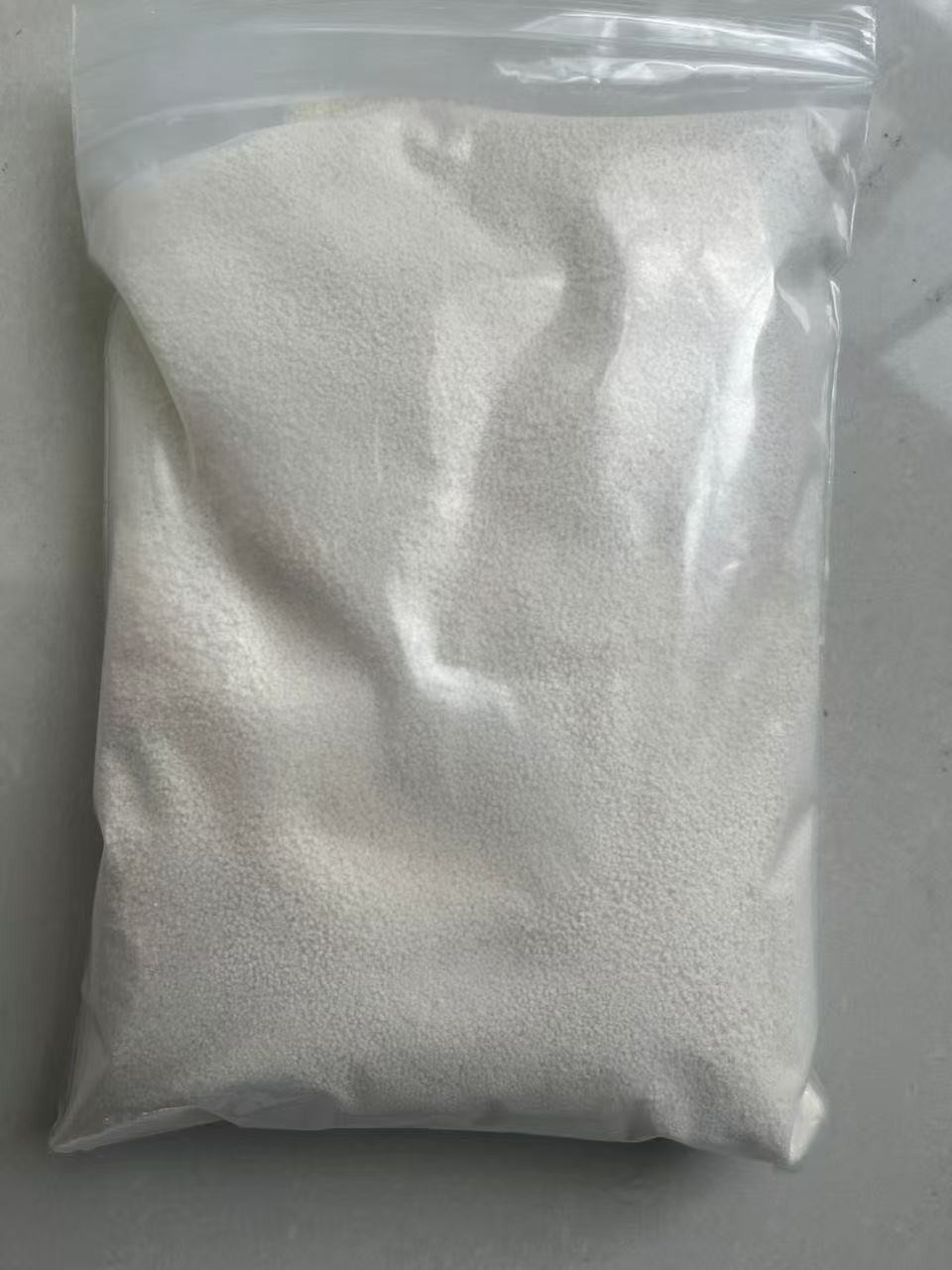
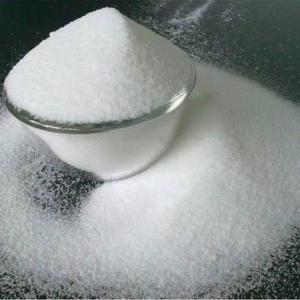
TAED is a white or pale yellow crystal with a melting point of 149-151 ℃.
textile printing and dyeing
The bleaching system of hydrogen peroxide/TAED combination is a new method recently applied to textile bleaching. It can not only lower the bleaching temperature and achieve good bleaching effect at low temperatures, but also bleach under near neutral conditions, so it can provide good protection for cellulose.
INQUIRY
RELATED PRODUCTS

CATEGORIES
LATEST NEWS
CONTACT US
Name: Mr.Zhonghua Zhao
Mobile:08618220867196
Tel:08615221391436
Whatsapp:8618220867196
Email:shsc20@xnshsc.com
Add:Room 205, 2 / F, Lane 16299, Puwei Road, Shanyang Town, Jinshan District, Shanghai